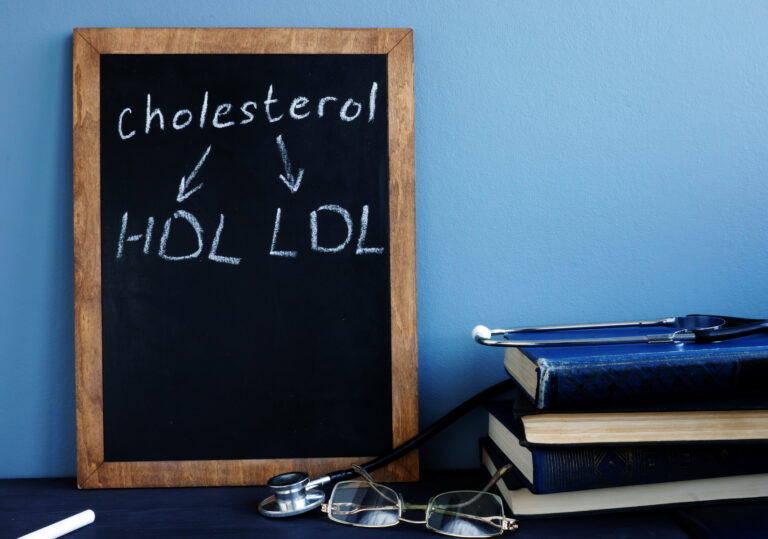
What is cholesterol?
Cholesterol is a waxy substance like fat that travels around your body via your blood.
It is packaged in lipoproteins of which there are 3 types
- High density Lipoprotein (HDL) (good cholesterol) which transports cholesterol to your liver where it is disposed of.
- Low density Lipoprotein (LDL) (considered bad cholesterol) carries cholesterol to your arteries and can contribute to atherosclerosis (hardening of the arteries).
- Very low density Lipoprotein – this transports triglycerides (another type of fat) around your body – the higher the triglycerides the higher the risk of atherosclerosis
What are optimal cholesterol levels?
- LDL – below 3.00
- HDL – above 1.2 (women)
- Triglycerides – below 2.3
- Total cholesterol – below 5.0
- Non-HDL cholesterol – below 4.0
What about genetic predispositions to high cholesterol?
Familial hypercholesterolemia is an inherited condition leading to extremely high LDL cholesterol from birth – it affects around 1-250 people and can’t be treated by diet and lifestyle alone.
Polygenic hypercholesterolemia is due to multiple small genetic mutations which collectively raise LDL but by less of an extent than familial hypercholesterolemia. Cholesterol may not be raised from birth but can be affected by diet, increasing age and by the menopause. Around 1-20 to 1-100 people may be affected. Depending on their overall cardiovascular score people with polygenic hypercholesterolemia may be able to reduce their LDL cholesterol with diet and lifestyle changes alone.
How do Statins work?
Statins work by inhibiting the liver enzyme responsible for producing cholesterol, specifically targeting LDL cholesterol. The liver is then also able to draw more LDL cholesterol out of the blood stream. Statins additionally have an anti-inflammatory effect reducing plaque build up in arterial walls. For some people statins may be the only effective way to lower their LDL cholesterol levels.
Whether you need to take statins depends on your overall cardiovascular risk score, if this is moderate you may be able to reduce you LDL levels by just altering your diet and lifestyle. However if your score is high, meaning your risk of hardening and narrowing of your arteries is high, leading to cardiovascular disease, statins may be required. Remember though, statins are designed to supplement not replace a healthy lifestyle!!
What about the side effects of statins?
Common side effects of statins are:
- Muscle pain and weakness – due to a reduction in CoQ10 which is a vital component for energy production in muscle cells
- Digestive issues – possibly due to changes in the gut microbiome
- Headaches, dizzyness or sleep problems – due to lowering levels of CoQ10 vital for energy production in the brain
- Tiredness and weakness – again due to reduce CoQ10
It is important to discuss any side effects you experience with your Dr.
Supplementing CoQ10 may be beneficial but it is important to discuss taking any supplements with a healthcare practitioner.
What can I do to help reduce my LDL cholesterol?
- Reduce your saturated fat intake, such as fatty meats, lard, butter, cream and ghee . Saturated fat suppresses the number and activity of receptors on liver cells, which then stops the liver from effectively clearing LDL cholesterol from the blood stream
- Keep your blood sugar stable – avoiding high sugar and high starch foods as the liver cannot process large amounts of sugar in the diet so converts the excess sugar into triglycerides and increases the production of LDL
- Work on reducing stress levels – which can lower cortisol and adrenalin which can promote LDL production
- Prioritise sleep, which helps to reduce cortisol, optimises metabolism and helps you to make better dietary choices.
- Work on your gut microbiome – a healthy gut microbiome can absorb cholesterol and/or turn it into coprostanol which cannot be absorbed by the gut.
- Exercise regularly – cardiovascular and resistance -which can enhance liver function and increase enzyme activity than move cholesterol from the blood to the liver.
- Eat lots of healthy fats – omega 3 (fish oils), avocado, nuts and seeds which can reduce triglycerides and may improve the size of LDL cholesterol.
- There is varying research on coconut oil, as whilst it does contain high levels of saturated fat some research suggests that due to its structure it makes it less likely for fat to build up in the body
- Fermented full fat dairy such as yoghurt and kefir has been associated with neutral or beneficial effects on LDL cholesterol, although study results are variable.
- Ideally it is best to keep your saturated fat intake to a minimum.
- Avoid trans fats – these are possibly the worst kind of fat to eat and are mainly found in processed foods containing partially hydrogenated fats.
Eat plenty of the following foods:
- Legumes,
- Avocados
- Nuts
- Fatty Fish
- Whole Grains
- Fruits and berries (especially tomatoes) being careful not to overeat very sweet fruits such as pineapple and mango.
- Dark chocolate and cocoa (in moderation)
- Garlic
- Soy foods
- Vegetables
- Tea
- Dark leafy Greens
- Extra virgin Olive oil
- (Healthline, 2023)
Should I increase my exercise?
Exercise has been shown to be able to reduce cholesterol levels, as it enhances the body’s ability to utilise and transport lipids (fats), increasing the enzyme which converts LDL into energy. Aim to do either 30 minutes of moderate intensity exercise 5 times a week, or 25 minutes of high intensity exercise 3 times a week
Top exercises for reducing LDL cholesterol are:
- Running or jogging
- Brisk walking
- Swimming
- Weight training
- HIIT
- Vinyassa yoga
To sum up:
Increasing your exercise, reducing stress and dietary changes, such as eating less saturated fat and sugar and increasing fibre intake, can make a big difference to LDL cholesterol levels, however if your cardiovascular risk score is high you may additionally need to take statins to reduce your risk of cardiovascular disease.
If you have familial hypercholesterolemia you will need to take medication, however if you have polygenic hypercholesterolemia you may be able to control your LDL cholesterol levels by lifestyle and dietary changes alone. Always discuss any changes to your medication with your Dr.